Selecting the right hardware is crucial for optimizing your gaming experience. High-quality gear not only enhances performance but also contributes to comfort and enjoyment during your gaming sessions. Whether you’re a casual gamer or a competitive player, understanding how different components can improve your gameplay is essential. Here’s a comprehensive guide to choosing the right gear that will elevate your gaming experience.
1. Understanding Gaming Hardware Components
Different components contribute to overall gaming performance. Here’s an overview of essential hardware elements:
- GPU (Graphics Processing Unit): A powerful GPU is critical for rendering high-quality graphics and ensuring smooth gameplay. Opt for GPUs that offer high frame rates and support for the latest technologies, such as ray tracing.
- CPU (Central Processing Unit): A strong CPU affects game performance, especially for CPU-intensive tasks. Choose a multi-core processor to handle complex calculations and improve overall system responsiveness.
- RAM (Random Access Memory): Adequate RAM is essential for smooth multitasking and performance in modern games. Aim for at least 16GB for optimal gaming experiences.
- Storage Solutions: SSDs (Solid State Drives) provide faster load times compared to traditional HDDs (Hard Disk Drives), reducing wait times and enhancing gameplay. Consider a hybrid setup with both SSD for performance and HDD for ample storage.
2. Selecting the Right Monitor
The monitor plays a vital role in your gaming experience:
- Refresh Rate: Look for monitors with a high refresh rate (144Hz or more) for smoother gameplay, especially in fast-paced genres like first-person shooters or racing games.
- Resolution: Choose a monitor with a resolution that matches your GPU capabilities. Options include Full HD (1080p), Quad HD (1440p), or 4K (2160p) for stunning visuals.
- Response Time: A low response time (1ms to 3ms) is important for reducing motion blur and ghosting effects, ensuring clarity in fast-moving scenes.
3. Investing in Quality Input Devices
Your gaming experience is significantly influenced by input devices such as keyboards and mice:
- Gaming Mouse: Invest in a gaming mouse that offers adjustable DPI settings, customizable buttons, and ergonomic designs for better precision and control.
- Mechanical Keyboards: Mechanical keyboards often provide tactile feedback and durability. Many have customizable RGB lighting and programmable keys, allowing for personalization and enhanced gameplay.
- Game Controllers: For console gaming or PC games that support controllers, choose ergonomic controllers with responsive buttons and features that suit your gaming style.
4. Prioritizing Audio Quality
Audio quality enhances immersion and gameplay experiences:
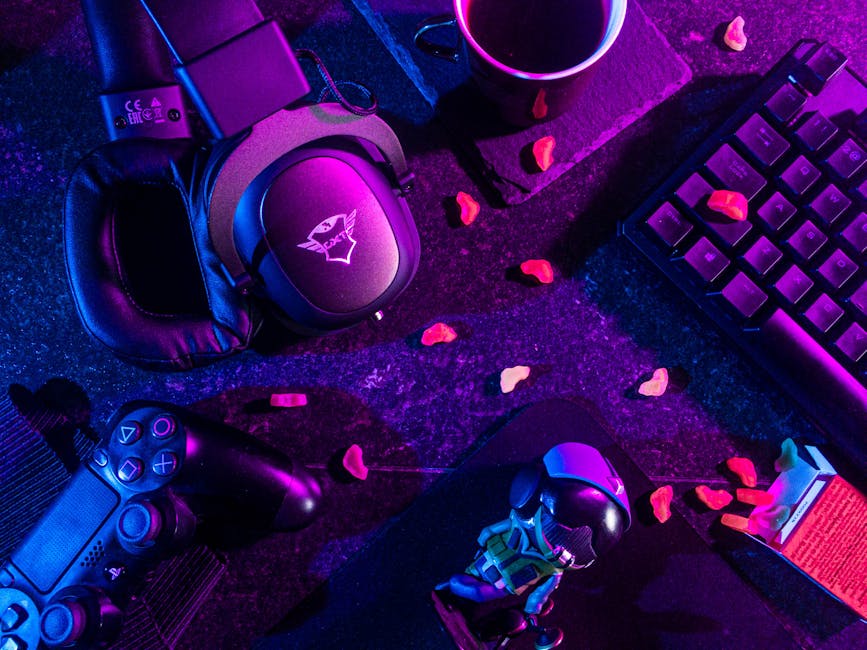
- Gaming Headsets: Invest in a high-quality gaming headset that offers clear sound and a built-in microphone for effective communication with teammates. Look for options with noise cancellation for an immersive experience.
- Surround Sound Systems: Consider setting up a surround sound system if you play in a dedicated gaming room. Audio cues can significantly impact gameplay, especially in action or shooter genres.
- External Speakers: If you prefer a non-headset option, high-quality external speakers can deliver excellent sound reproduction for gaming and multimedia.
5. Creating an Ergonomic Gaming Environment
Your gaming setup should prioritize comfort to maintain long gaming sessions:
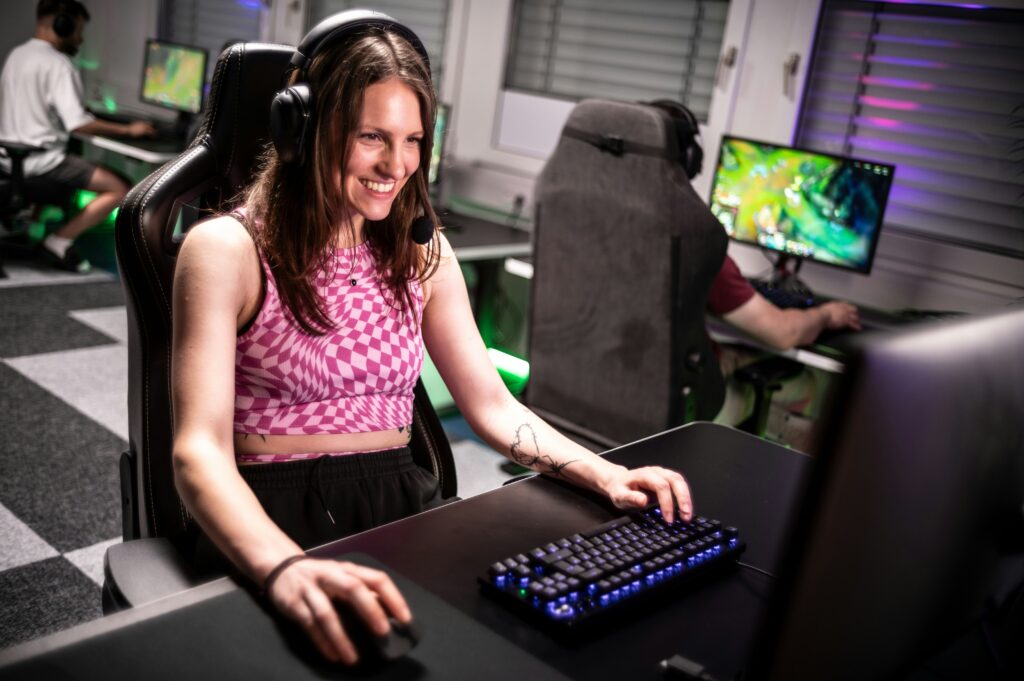
- Ergonomic Chairs: Invest in an ergonomic gaming chair that provides support for your back and posture, ensuring comfort during extended periods of play.
- Desk Height and Setup: Ensure your desk is at an appropriate height for your chair, promoting a relaxed posture. Adjust monitor height to eye level to reduce neck strain.
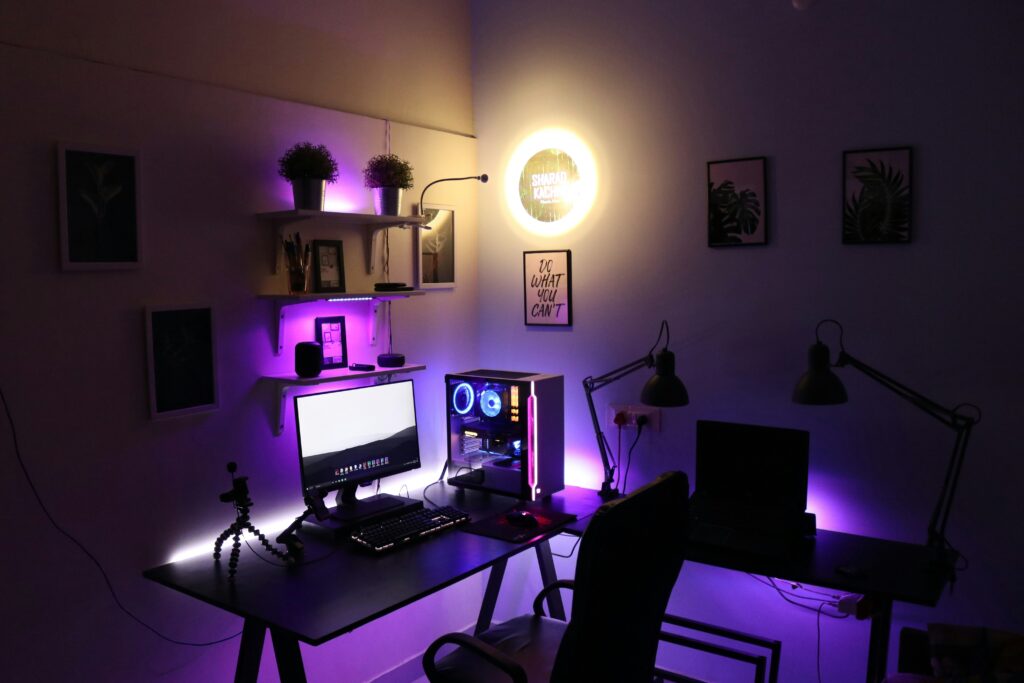
- Declutter and Organize: Keep your gaming area organized by managing cables and ensuring you have easy access to peripherals and devices. A tidy space contributes to focus and comfort.
6. Utilizing Game-Specific Gear
Some gamers may benefit from gear designed for specific gaming genres:
- FPS Gear: If you play first-person shooters, consider investing in gear that prioritizes precision, such as high-DPI mice and customizable key layouts for quick access to actions.
- RTS Gear: Real-time strategy gamers may benefit from keyboards with macro keys that facilitate quick command entry and mouse options that allow for rapid movement and clicking.
- Sports and Racing Gear: Specialized controllers or racing wheels enhance gameplay for sports and racing games, providing added immersion and realism.
7. Regular Maintenance and Upgrades
Maintaining and upgrading your gaming gear can ensure optimal performance:
- Regular Cleaning: Keep your devices clean, including the keyboard, mouse, and headset, to maintain performance and hygiene.
- Update Drivers and Software: Ensure that your gaming software and hardware drivers are up to date for optimal performance and compatibility with the latest games.
- Plan for Upgrades: As gaming technology evolves, consider planning for upgrades to keep your gear aligned with the latest gaming standards and requirements.
Conclusion
Choosing the right hardware is essential for enhancing your gaming experience, ensuring comfort, efficiency, and immersion. By evaluating your needs, investing in quality equipment, and maintaining a well-organized ergonomic setup, you can create a gaming environment that elevates your performance and enjoyment. Embrace the exploration of technology, and enjoy the adventures that await in your gaming journey!
Call to Action
What gear do you consider essential for an optimal gaming experience? Share your recommendations, tips, and personal experiences in the comments below, and let’s inspire each other to create the ultimate gaming setup!