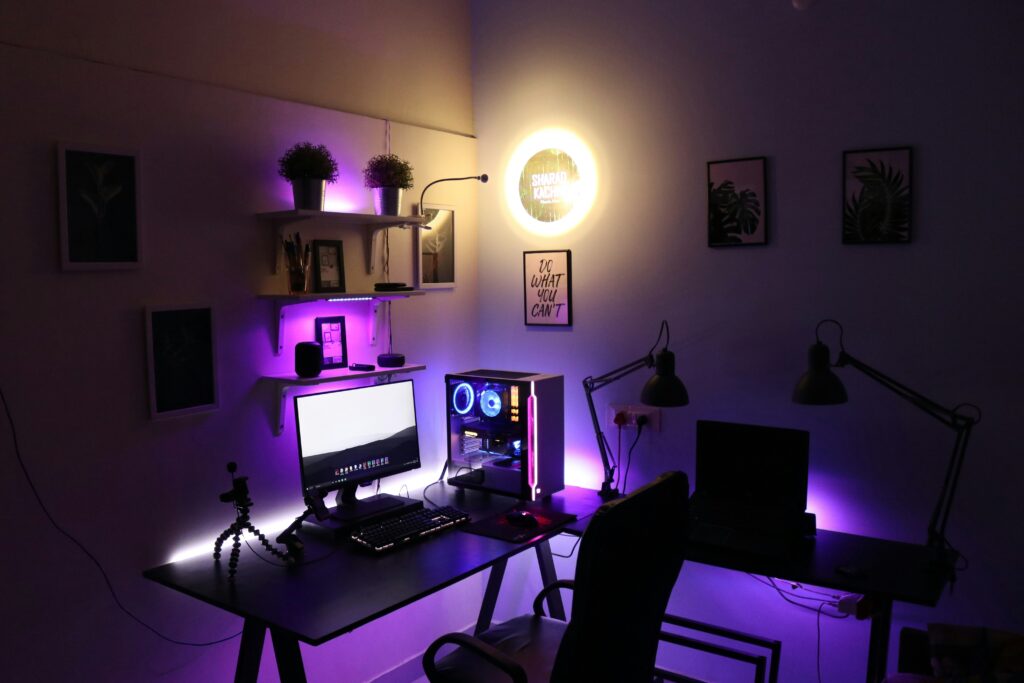

Customizing in-game settings, particularly controls, is essential for maximizing efficiency and enhancing your gaming performance. By fine-tuning how you interact with your game, you can improve responsiveness, comfort, and overall enjoyment, whether you’re playing first-person shooters, complex RPGs, or competitive multiplayer games. Here’s a comprehensive guide on how to effectively explore and customize your in-game settings for optimal gameplay.
1. Understanding Default Settings
Before diving into customization, it’s important to familiarize yourself with the default controls and settings:
- Initial Controls Layout: Take time to understand the default control layout. Knowing the basic functions will aid you in customizing to your preferences accurately.
- In-Game Tutorials: Many games offer tutorials or training modes which can help you get accustomed to the basic controls. Utilize these features before making significant adjustments.
- Accessibility Settings: Review any accessibility options available in the game, as they can enhance usability and allow for greater customization based on individual needs.
2. Identifying Personal Preferences
Understanding your gaming style and preferences is key to effective customization:
- Game Genre Considerations: Different game genres often require different control setups. For example, FPS games may benefit from more rapid access to weapons, while RPGs may require complex menus and inventory management.
- Controller vs. Mouse and Keyboard: Determine whether you prefer playing with a controller or a mouse and keyboard, as preferences will dictate different control schemes and settings.
- Identify Comfort Zones: Pay attention to how you interact with your devices. Recognize whether you favor certain button locations or control motions that enhance your reaction times and comfort.
3. Customizing Control Settings
Once you understand your preferences, begin customizing the settings for optimal performance:
- Adjust Sensitivity: Tweak the sensitivity settings for your mouse or controller to find the optimal balance between precision and speed. Lower sensitivity may improve aim in shooters, while higher sensitivity could be more beneficial in fast-paced gameplay.
- Rebind Keys: Reassign key bindings to suit your preferences. Prioritize the placement of frequently used controls in easy-to-reach locations to minimize finger movement and improve reaction times.
- Use Macros or Hotkeys: For games that allow it, set up macros or hotkeys for complex actions or combos to streamline your gameplay and facilitate quicker responses during critical moments.
4. Exploring Visual and Interface Settings
Customizing visual and interface settings can enhance clarity and focus:
- Field of View (FOV): Adjust the FOV setting to widen or narrow your viewing angle based on your gaming style. A broader FOV can help in spotting opponents in FPS games, while a narrower FOV might improve focus.
- Graphical Settings: Optimize graphical settings for balance between visual fidelity and performance. Find out how changes in resolution, texture quality, and frame rate impact your experience.
- User Interface (UI): Customize UI elements to enhance clarity. Adjust HUD settings to prioritize information that’s most important to your gameplay, such as health indicators or mini-maps.
5. Testing and Fine-Tuning
After making adjustments, it’s vital to test and refine your settings:
- Practice Sessions: Spend time in practice or training modes to test your new settings. Evaluate how they feel during gameplay and adjust based on comfort and efficiency.
- Iterate Gradually: Make gradual changes to your settings instead of overhauling everything at once, allowing you to isolate which adjustments work best for you.
- Seek Feedback from Others: Consider discussing your setup with fellow gamers or friends. They may offer insights or suggestions that can lead to further optimization.
6. Keeping Up with Game Updates
Games frequently receive updates that can impact settings and controls:
- Patch Notes: Monitor patch notes released by developers to stay informed about changes that may affect gameplay mechanics, including adjustments to controls or gameplay balancing.
- Community Feedback: Engage with gaming communities to hear how others adjust their settings in response to updates. Crowd-sourcing information can lead to better setup choices.
- Adaptation Over Time: Be open to revisiting and adjusting your settings as you adapt to changes or as your gameplay style evolves over time.
7. Prioritizing Ergonomics
Comfort remains a key focus when customizing your setup:
- Chair and Desk Height: Ensure that your gaming chair and desk are set at the appropriate heights to promote good posture during extended gaming sessions.
- Wrist Support for Keyboards: Use wrist rests if necessary, particularly for long-term use of keyboards and mice, to prevent strain and discomfort.
- Create an Inviting Environment: Enhance your gaming space for comfort by ensuring adequate light, reducing glare on screens, and keeping the area organized and welcoming.
Conclusion
Maximizing your gaming experience through effective use of in-game settings and controls can enhance both your comfort and performance. By understanding your personal preferences, customizing controls for efficiency, and maintaining an ergonomic setup, you can create an environment conducive to sustained engagement and enjoyment. Embrace the process of experimentation and refinement to fully enjoy every gaming session!
Call to Action
What customization strategies have you employed to enhance your gameplay experience? Share your insights, tips, and favorite setups in the comments below, and let’s inspire each other to create the best possible gaming environments!